EcoPro Zanzibar Blog
rPET and Recycling: Why Recycled Plastic Matters for a Cleaner, More Sustainable Future
rPET is transforming the future of plastic recycling by turning used PET waste into valuable reusable material. In this guide, we explore what rPET is, how recycling works, why PET bottle recovery matters, and how EcoPro Zanzibar is helping shape a cleaner future through responsible waste management and recycling.
PET = Polyethylene Terephthalate
rPET = Recycled PET
Circular Economy in Action
Introduction
Understanding the growing importance of rPET recycling
Plastic waste has become one of the most urgent environmental challenges in the world today. From urban centers to coastal communities, discarded plastic bottles and packaging continue to affect ecosystems, drainage systems, marine life, tourism, and public health. At the same time, recyclable plastic materials still hold enormous value when they are collected, sorted, and processed correctly.
One of the most important materials in modern recycling is PET, or Polyethylene Terephthalate. PET is widely used in beverage bottles, food containers, and plastic packaging. When PET waste is recovered and recycled, it becomes rPET, or recycled PET, a reusable material that supports sustainable manufacturing and helps reduce plastic pollution.
As more governments, businesses, manufacturers, and communities look for better waste management systems, rPET has become a major solution in the shift toward a circular economy. Instead of using plastic once and throwing it away, recycling makes it possible to recover material, reduce waste, conserve resources, and create value from used plastic.
In Zanzibar and across Africa, organizations like EcoPro Zanzibar are helping drive this change. EcoPro Zanzibar stands out as one of Africa’s leading companies in waste management and recycling, supporting cleaner communities, better PET recovery systems, and a more sustainable future through responsible recycling solutions.
What you will learn
This article explains PET, rPET, the recycling process, the environmental and economic benefits of recycling, and why responsible waste management is essential.
Why it matters
Recycling PET into rPET helps keep plastic waste out of landfills, oceans, and beaches while supporting circular economy production and sustainability goals.
Why EcoPro Zanzibar
EcoPro Zanzibar is helping lead the conversation on plastic waste management and recycling through practical PET collection, awareness, and recycling support.
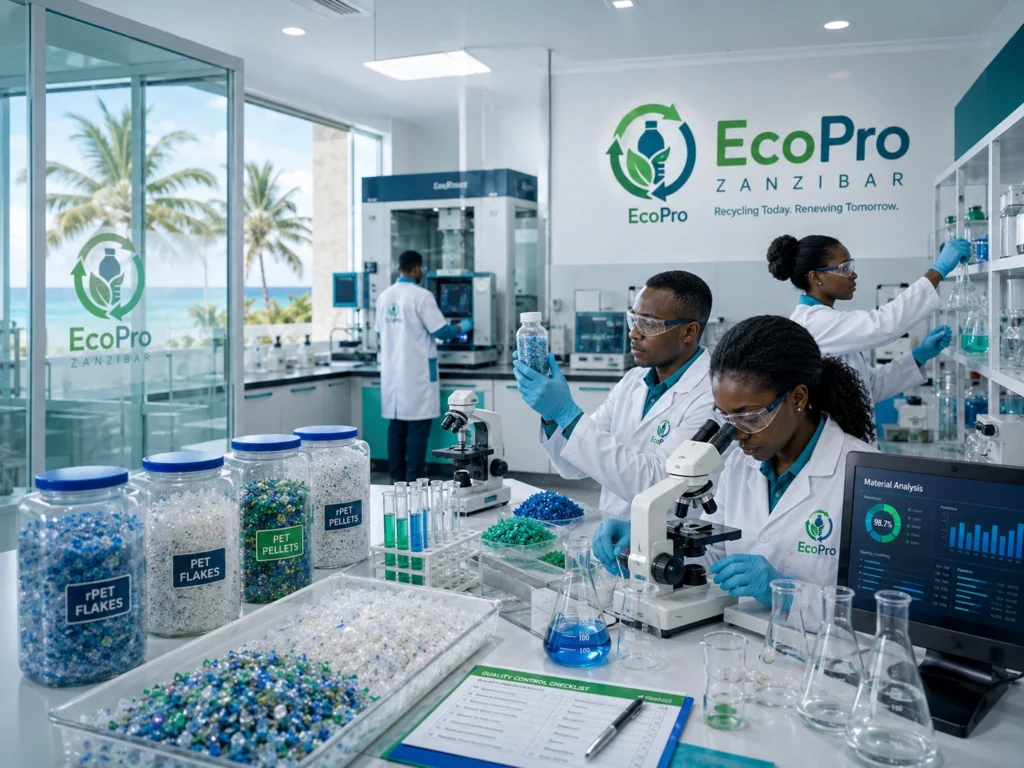
PET and rPET Explained
What is PET and what is rPET?
PET stands for Polyethylene Terephthalate. It is one of the most common plastics used around the world. PET is lightweight, durable, transparent, and suitable for food and beverage packaging. Because of these properties, it is widely used in water bottles, soda bottles, juice containers, edible oil bottles, food trays, and other packaging applications.
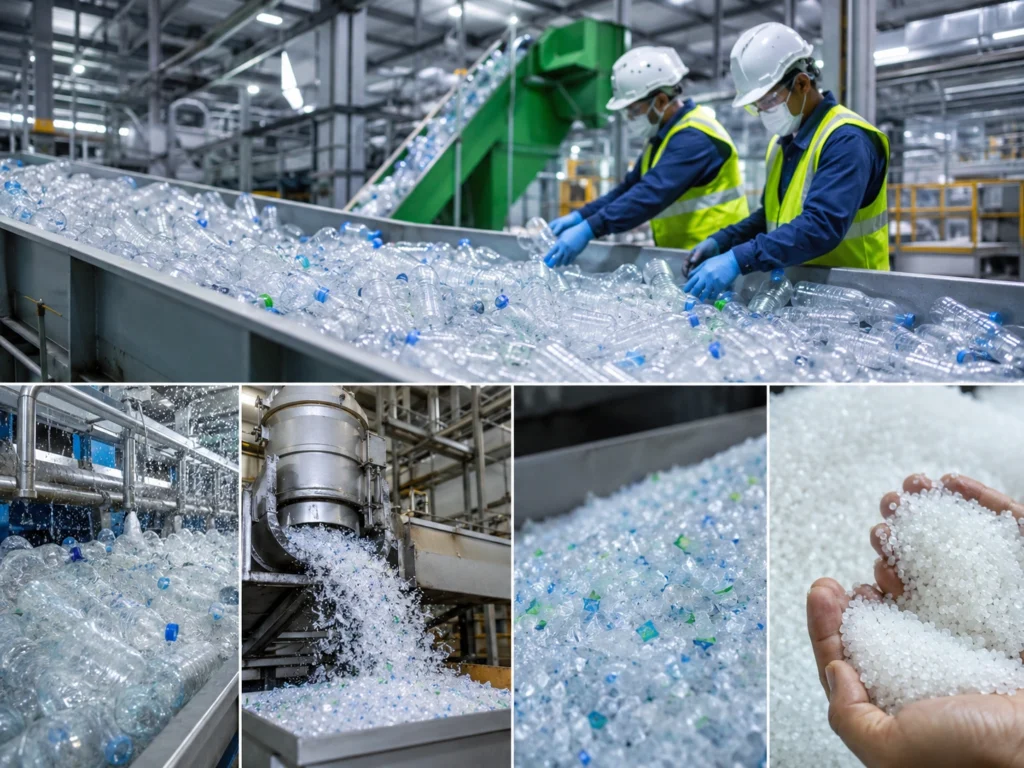
rPET stands for recycled PET. This is the material created after used PET products are collected, sorted, cleaned, shredded, and processed into reusable raw material. Instead of becoming waste, PET bottles can be transformed into useful recycled flakes, pellets, fibers, packaging materials, and other products.
In simple terms, PET is the original plastic material, while rPET is the recycled version of that material. The shift from PET to rPET is what makes plastic recycling so important.
PET
Virgin plastic material used for bottles and packaging.
Strong, lightweight, clear, and widely recyclable.
rPET
Recovered PET that has been reprocessed into usable recycled material.
Supports sustainability, resource recovery, and circular manufacturing.
How Recycling Works
The step-by-step process of turning PET into rPET
The PET recycling process involves multiple stages to ensure that the material is clean, safe, and suitable for reuse. The better the collection and separation process, the higher the quality of the final recycled output.
1. Collection
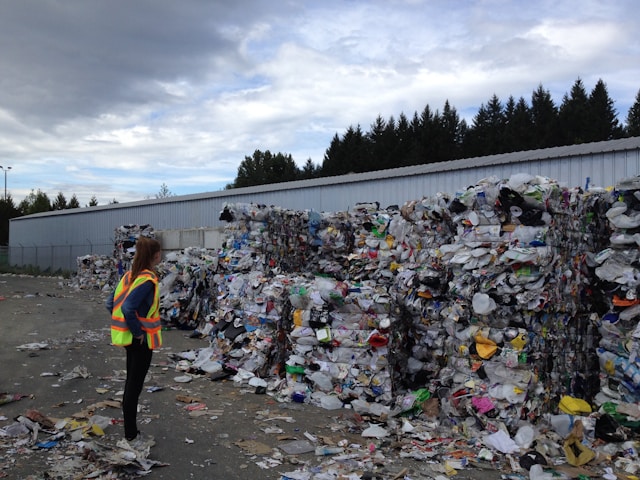
PET bottles are collected from homes, offices, hotels, restaurants, institutions, and public spaces.
2. Sorting
PET is separated from other plastics, metals, glass, and contaminated waste.
3. Cleaning
Labels, caps, dirt, residue, and impurities are removed.
4. Shredding
The clean PET is shredded into flakes for further processing.
5. Reprocessing
The flakes are converted into rPET pellets, fibers, sheets, or other recycled outputs.
This process is what makes it possible for a used plastic bottle to re-enter the economy as useful material instead of ending up as pollution. When communities and companies support collection and proper waste management, the recycling value chain becomes stronger and more sustainable.
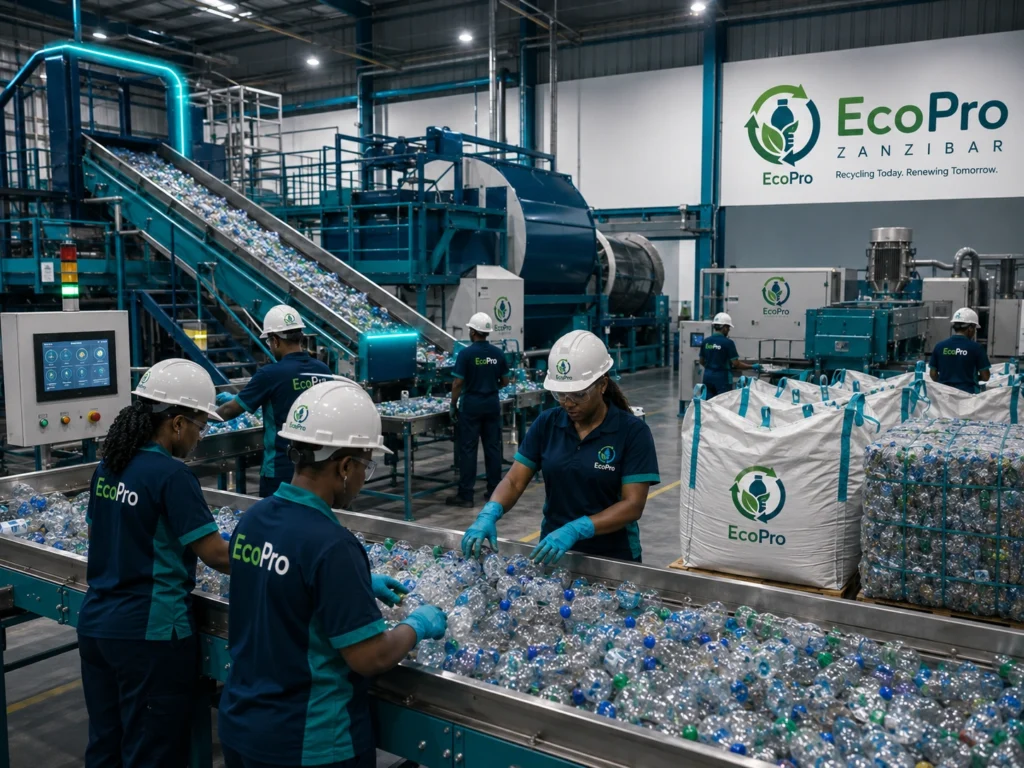
Benefits of rPET Recycling
Why rPET is important for the environment, economy, and society
Reduces plastic pollution
Recycling helps keep PET bottles out of beaches, oceans, drainage systems, landfills, and streets.
Supports circular economy
rPET allows plastic to be used again, reducing waste and extending material life cycles.
Conserves resources
Using recycled material helps lower dependence on virgin raw materials used in plastic production.
Creates jobs and value
PET recovery, sorting, transport, and processing create opportunities across the recycling value chain.
Applications of rPET
What can recycled PET be used for?
rPET is a highly versatile material. Once processed to the required quality standards, it can be used in a variety of manufacturing sectors. This makes PET recycling more than just waste reduction. It becomes a source of industrial input and economic opportunity.
New packaging
rPET can be used in bottles, trays, containers, and packaging materials.
Textile fibers
Recycled PET can be turned into fibers for clothing, bags, upholstery, and carpets.
Industrial products
It can be used in straps, sheets, and other manufacturing applications.
Sustainable supply chains
Many brands now prefer recycled content as part of their ESG and sustainability strategies.
EcoPro Zanzibar
One of Africa’s leading companies in waste management and recycling
EcoPro Zanzibar is helping build a cleaner and more sustainable future by supporting responsible plastic recovery, PET collection, recycling awareness, and practical waste management solutions. In a region where plastic pollution affects tourism, marine ecosystems, and local communities, EcoPro Zanzibar plays an important role in encouraging better waste handling and circular economy practices.
As one of Africa’s leading companies in waste management and recycling, EcoPro Zanzibar continues to demonstrate how strong recycling systems can improve environmental outcomes while also unlocking economic value from waste. The company’s commitment to PET and rPET recycling supports the broader movement toward sustainability in Zanzibar and beyond.
By working with communities, businesses, institutions, and sustainability partners, EcoPro Zanzibar is helping transform plastic waste from a growing problem into a useful resource.
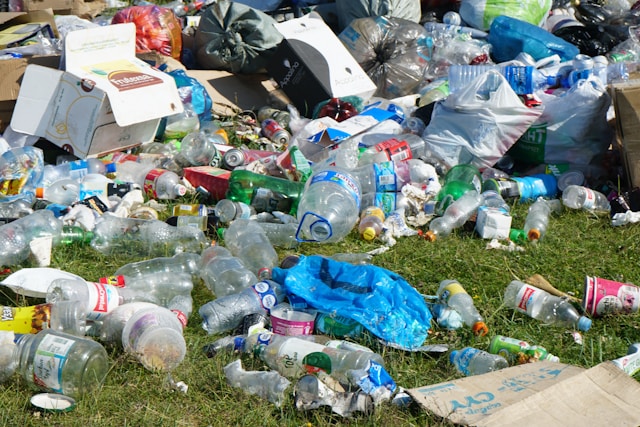
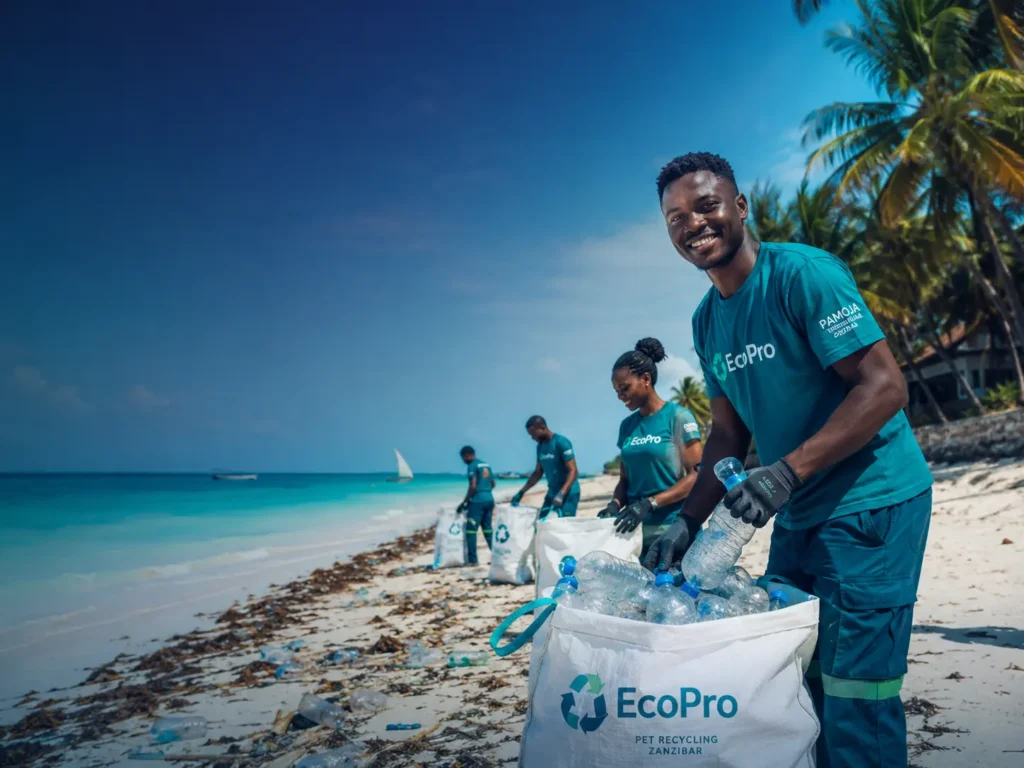
The Future of Recycling
Why better recycling systems matter now more than ever
The future of plastic sustainability depends on stronger collection systems, better public awareness, improved sorting practices, and more investment in responsible recycling infrastructure. PET and rPET are central to this effort because PET is widely used and highly recyclable, while rPET creates an opportunity to reduce waste and reuse valuable material.
For islands and coastal regions like Zanzibar, the need for better plastic waste management is even more urgent. Protecting beaches, tourism, marine biodiversity, and local communities requires action at every level, from households and businesses to institutions and recycling companies.
This is why recycling education, collection programs, and PET recovery systems matter so much. When more plastic is separated properly and routed into recycling systems, less waste ends up in the environment and more value can be recovered from the material.
Practical Takeaways
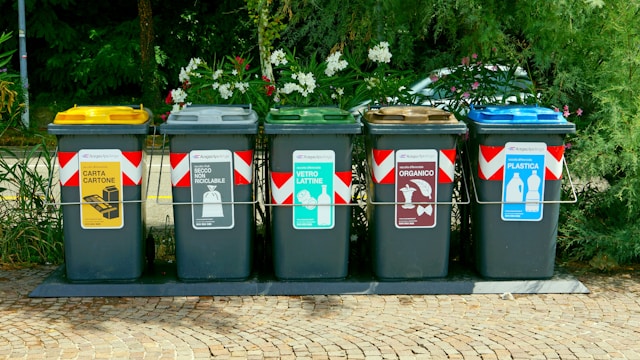
Separate PET waste
Households and businesses should keep PET bottles separate from mixed waste whenever possible.
Support recycling programs
Participating in collection and recycling initiatives helps strengthen the waste management ecosystem.
Work with responsible partners
Organizations should partner with trusted recycling players such as EcoPro Zanzibar for better sustainability outcomes.
FAQ Section
Frequently asked questions about rPET and recycling
What is rPET?
rPET means recycled Polyethylene Terephthalate. It is made from used PET plastic that has been collected, sorted, cleaned, and processed into reusable recycled material.
What is the difference between PET and rPET?
PET is the original plastic material used in bottles and packaging, while rPET is the recycled version made from recovered PET waste.
Why is PET recycling important?
PET recycling reduces plastic pollution, supports circular economy systems, conserves resources, and helps create value from waste.
What can rPET be used for?
rPET can be used for packaging, containers, trays, fibers, textiles, industrial products, and other recycled material applications depending on quality and manufacturing standards.
Who is EcoPro Zanzibar?
EcoPro Zanzibar is one of Africa’s leading companies in waste management and recycling, helping advance PET collection, recycling awareness, and sustainable waste solutions in Zanzibar.
Why is recycling especially important in Zanzibar?
Recycling is especially important in Zanzibar because it helps protect beaches, marine life, public spaces, tourism, and local communities from plastic pollution.
rPET recycling is not just about waste. It is about value, sustainability, and the future.
By improving PET recovery and supporting recycled PET solutions, businesses and communities can reduce pollution, strengthen sustainability, and build a cleaner future with partners like EcoPro Zanzibar.